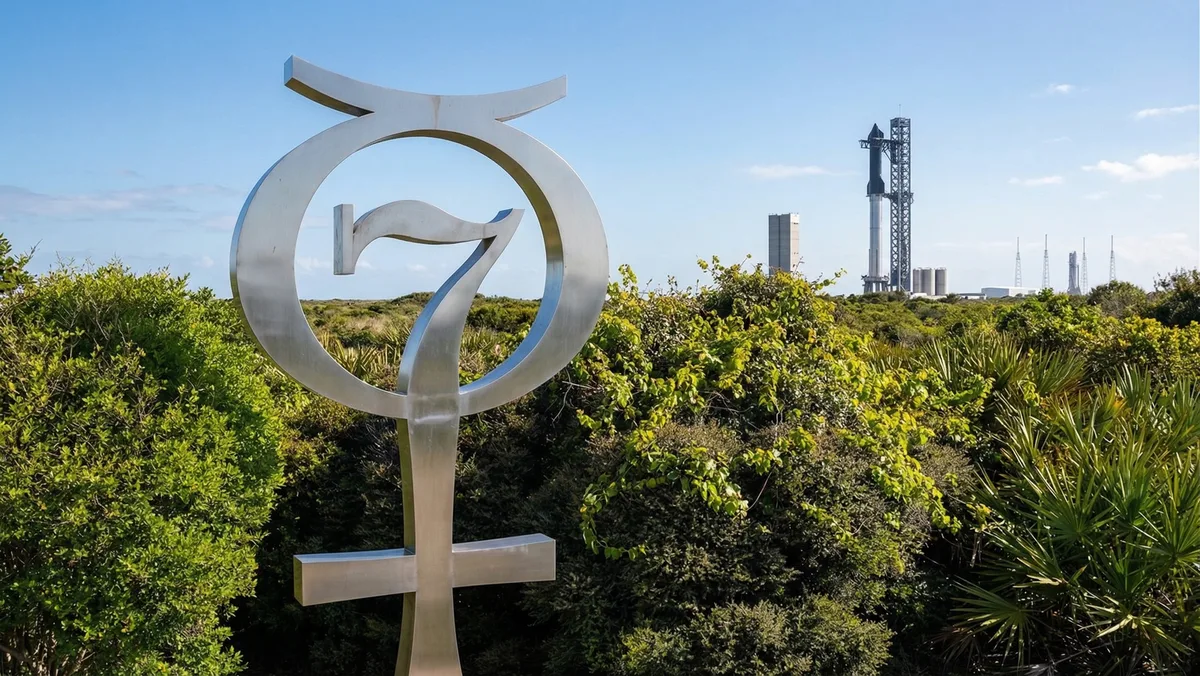
Stoke Space is targeting a late-2026 test flight of its Nova rocket from Cape Canaveral's Launch Complex 14, a site that last hosted a launch in 1966 when John Glenn became the first American to orbit Earth. The company is revamping the facility for its fully reusable Nova rocket, which could lower space launch costs and compete with SpaceX's Starship. The site's Mercury 7 monument and original blockhouse will remain intact.
The rocket's first stage, called Zenith, and its flight termination system have been tested at Stoke Space's Moses Lake, Washington facility. If all goes as planned, medium-lift Nova rockets will be shipped to Florida for their debut launch. The company's CEO and co-founder, Andy Lapsa, emphasized that Nova's goal is to achieve full reusability, a milestone no company has yet reached.
Launch Complex 14 has been dormant since Glenn's 1962 flight, but Stoke Space says new infrastructure was ready by last month. The site's historical significance adds weight to the project, though the company has not disclosed exact timelines for its first payload launch.
Stoke Space's focus on reusability aligns with broader industry efforts to make space travel more affordable. The company has been working on Nova for years, but the Florida launch represents a major step toward commercializing its technology. No specific date has been set for the first operational mission, but test flights are expected this year.
The project has drawn attention from local officials and space enthusiasts, who see it as a revival of Cape Canaveral's legacy. Stoke Space has not yet announced partnerships for its first payload, but the company says it is preparing for a range of missions once Nova is fully operational.