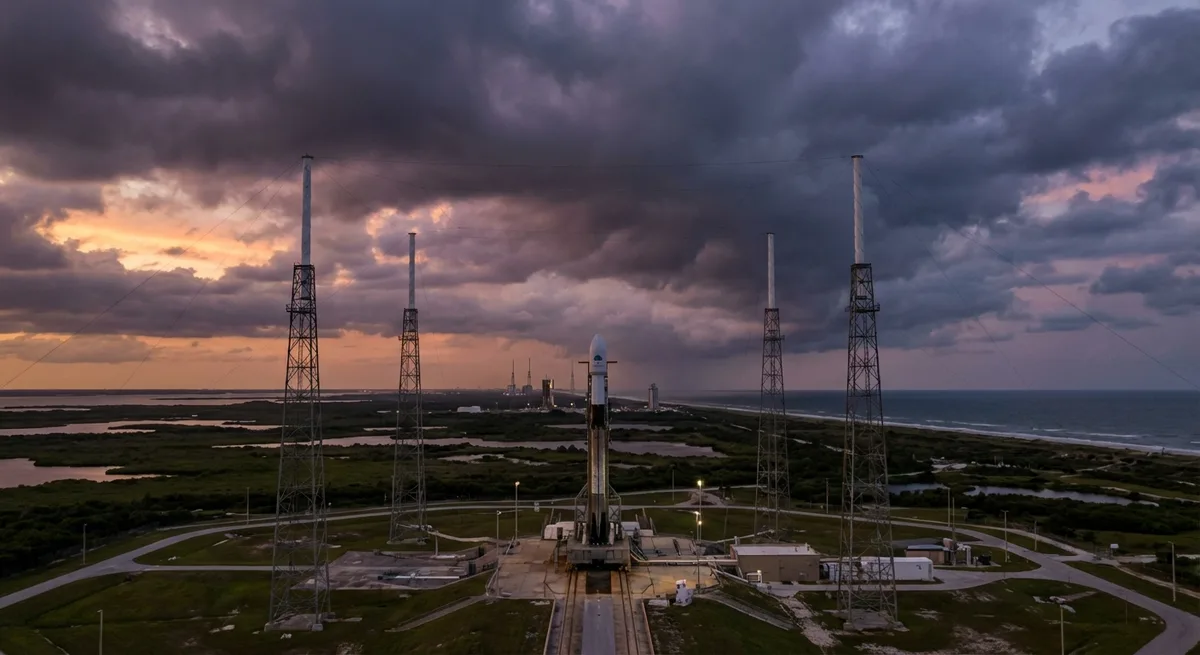
SpaceX's launch operations at Cape Canaveral have become a cornerstone of Brevard County's economy, but the company's near-monopoly on commercial rocket launches is showing signs of strain. With 18 launches from the Space Coast in 2023 alone, SpaceX has solidified its position as the primary provider for NASA and private satellite companies. However, recent approvals for Blue Origin and Rocket Lab to use Kennedy Space Center facilities signal increasing competition.
Local officials note that SpaceX's contract with NASA for astronaut transport is set to expire in 2025, creating an opening for rival firms. "We're seeing more interest from other companies wanting to establish a presence here," said Brevard County Commissioner Randy McLain. "That's good for the community, but it also means SpaceX can't take the market for granted."
Regulatory challenges are also mounting. The Federal Aviation Administration has proposed new safety rules for orbital launches that could increase operational costs for all providers. SpaceX has already faced delays at its Boca Chica launch site in Texas due to environmental reviews, raising questions about how the company will handle similar scrutiny in Florida.
Industry insiders say the competition is driving innovation. Rocket Lab's upcoming Electron rocket launches from the Mid-Florida Regional Airport could offer lower-cost options for small satellite deployments. Meanwhile, Blue Origin's New Glenn rocket, scheduled for its first test flight in 2024, aims to capture a share of the heavy-lift market.
Despite the challenges, SpaceX remains the largest employer at Kennedy Space Center, with over 6,000 jobs directly or indirectly tied to the company. But as Patrick Kelleher, director of the Florida Space Institute at the University of Central Florida, points out, "Diversity in launch providers is ultimately better for the region's long-term economic health."