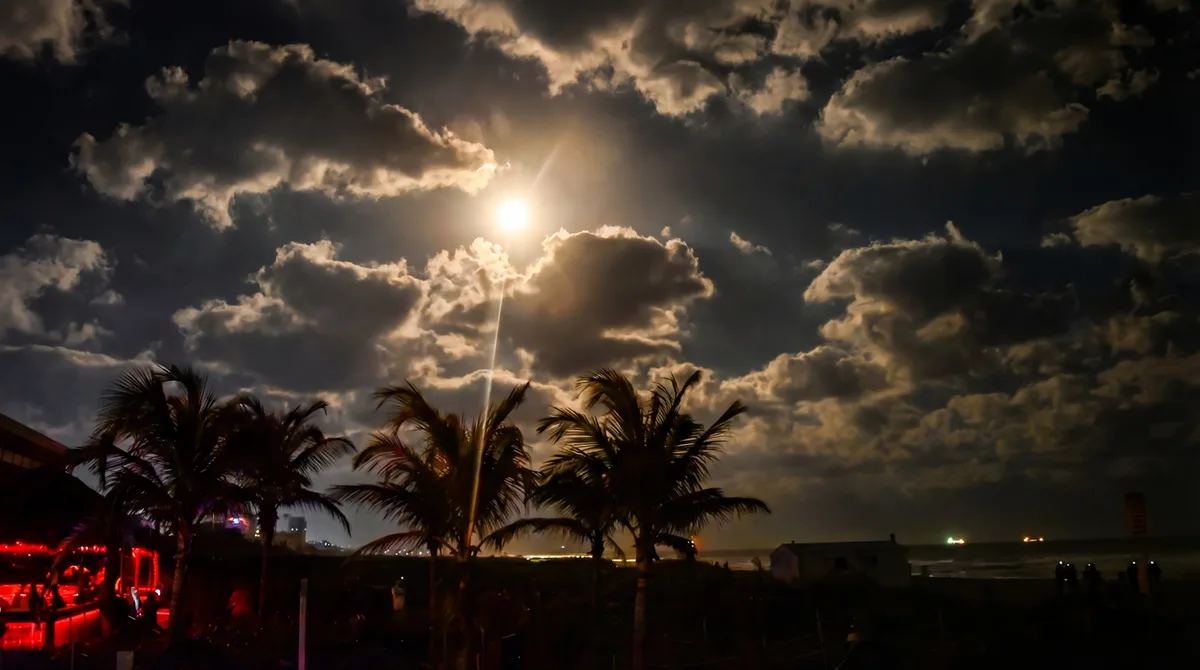
SpaceX launched 29 Starlink satellites from Cape Canaveral Space Force Station’s Launch Complex 40 at 8:41 p.m. on Thursday, February 19, 2026. The Falcon 9 rocket’s first-stage booster landed on the drone ship Just Read the Instructions in the Atlantic Ocean off the coast of the Bahamas, marking the second time a SpaceX booster has landed that far south. The mission, part of the Starlink 10-36 group, was delayed from its original Wednesday date but launched within the updated window. The 45th Weather Squadron reported a 95% chance of favorable conditions for the Thursday attempt.
The rocket followed a southeast trajectory along Florida’s coast, avoiding Brevard County sonic booms but prompting a warning that residents of the Bahamas might hear a boom if weather conditions were right. The launch window extended until 9 p.m., though no specific reason for the delay was provided. SpaceX’s webcast on X (formerly Twitter) covered the event, which included updates at 8:35 p.m. and 8:49 p.m., confirming the successful landing after liftoff.
This mission was the 26th for the booster, which previously landed at sea multiple times. The Falcon 9’s reusability is a key factor in SpaceX’s operations, reducing costs for satellite deployments. The Starlink satellites aim to expand global broadband coverage, with this batch joining hundreds already in orbit. The launch occurred amid ongoing efforts to boost internet access in underserved regions.
SpaceX has conducted similar landings in the Atlantic, but the Bahamas location is a new milestone. The company’s operations at Cape Canaveral continue to draw attention, with launches now routine but still notable for their technical precision. No major issues were reported during the flight, and the mission is expected to contribute to Starlink’s growing network.