SpaceX launched 29 Starlink satellites into low-Earth orbit from Cape Canaveral Space Force Station’s Space Launch Complex 40 on Saturday, March 12, 2026. The mission, originally scheduled for Thursday and then moved to Friday, faced two delays without explanation from the company. The satellites will expand SpaceX’s global broadband network once deployed. The Falcon 9 rocket used for the launch included its sixth mission for the first-stage booster B1095, which has exclusively supported Starlink missions since its debut. After stage separation, the booster is expected to land on the droneship Just Read the Instructions in the Atlantic Ocean. Dr. Jonathan McDowell, an astrophysicist at the Harvard-Smithsonian Center for Astrophysics, tracked the launch, bringing the total number of Starlink satellites in orbit to 9,924, with 8,088 currently operational. SpaceX did not comment on the delays, which occurred amid routine pre-launch checks. The satellites will provide internet service to underserved areas worldwide once they reach their designated orbits. This mission marks the 10th Starlink launch of 2026 and continues SpaceX’s efforts to deploy thousands of satellites for its broadband initiative.
Space & Tech
SpaceX launches Starlink 10-48 from Cape Canaveral after two delays
SpaceX successfully launched its Starlink 10-48 mission from Cape Canaveral Space Force Station on March 12, 2026, after two delays pushed the launch from Thursday to Saturday.
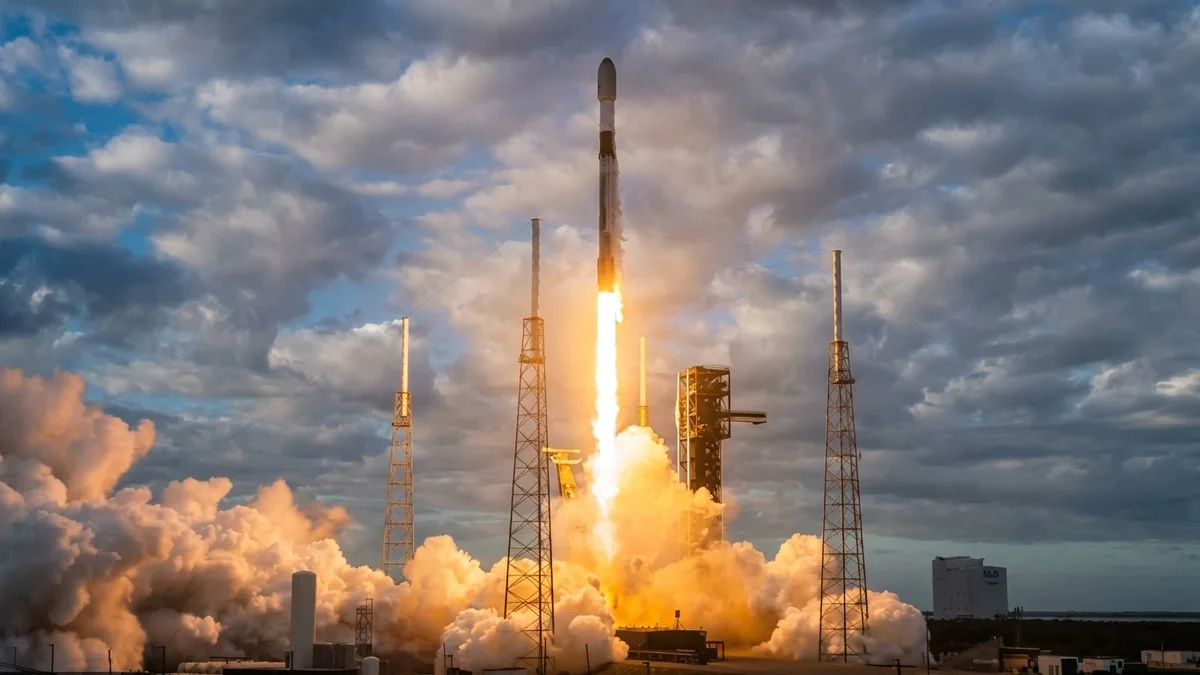
Source: Spectrum News