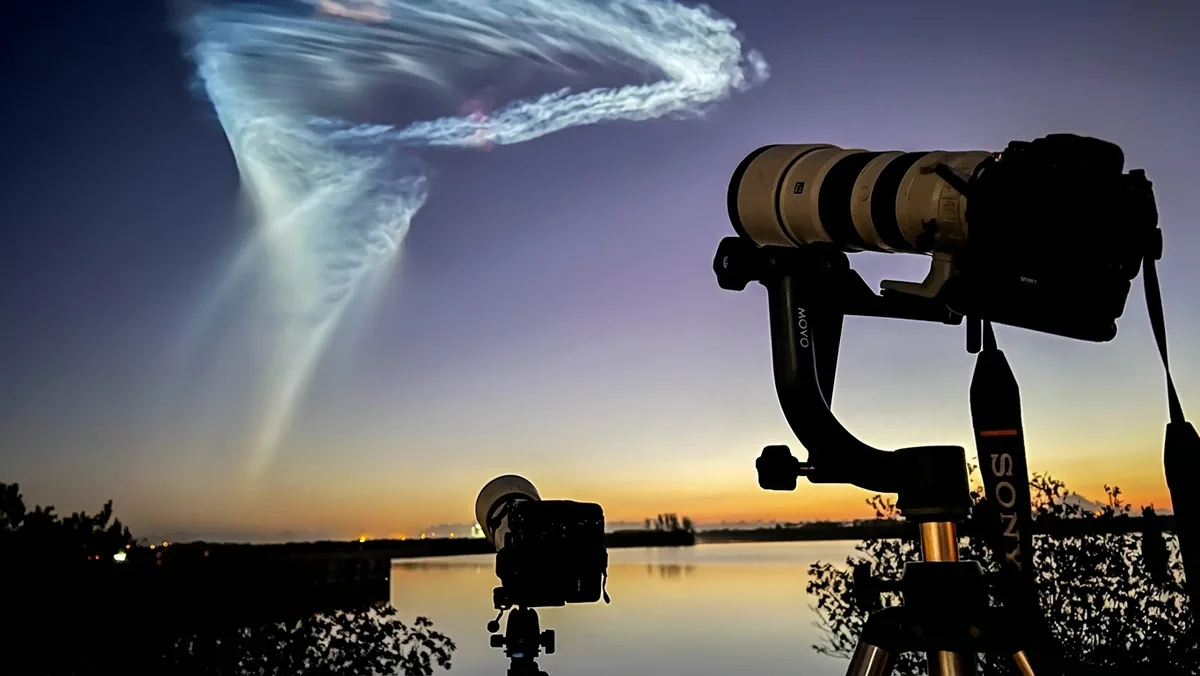
A SpaceX Falcon 9 rocket lit up the predawn sky over Cape Canaveral Space Force Station on March 4, creating a striking 'jellyfish' effect as its exhaust plume spread across the atmosphere. The Starlink 10-40 mission launched at 5:52 a.m., with photographers capturing the glowing contrail that lingered for minutes after liftoff. The rocket’s first stage landed safely at the Cape Canaveral Air Force Station’s Landing Zone 1, continuing SpaceX’s streak of successful reusability efforts.
NASA engineers at Kennedy Space Center are repairing the Artemis II Space Launch System rocket after a helium flow issue forced a temporary halt. The problem, traced to a dislodged seal causing an obstruction, is being fixed inside the Vehicle Assembly Building. Officials say the 322-foot-tall rocket could return to the launch pad as early as April, potentially setting the stage for a crewed lunar test flight later this year.
Operator Solutions, a Melbourne-based company specializing in astronaut rescue operations, has partnered with Health First to expand its trauma-response services. The collaboration aims to deploy military-grade aircraft, boats, and watercraft to reach medical emergencies on cruise ships, disaster zones, and beyond. The company’s fleet can travel hundreds of miles from Cape Canaveral to assist private astronauts in distress.
The 'jellyfish' phenomenon, caused by the rocket’s exhaust interacting with upper atmospheric conditions, became a viral topic on social media. Local astronomers noted the display was visible as far south as Titusville and as far north as Cocoa. SpaceX has not commented on the visual effect, but the company’s 10th Starlink mission of 2026 added 50 new satellites to its constellation, enhancing global broadband coverage.