Space Shuttle Discovery roared into the sky from Kennedy Space Center at 4:53 p.m. ET on February 24, 2011, beginning its 39th and final mission. The STS-133 flight carried six astronauts on a journey that would conclude Discovery’s career as the most flown orbiter in NASA’s history. The launch, visible across Brevard County, was the last time the shuttle would leave Earth, ending a program that had launched 135 missions over three decades. Discovery’s final voyage delivered the Permanent Multipurpose Module to the International Space Station and carried critical supplies, marking a poignant end to its service. The shuttle had spent 365 days in orbit during its career, traveling nearly 149 million miles—more than any other shuttle. Discovery’s missions included deploying the Hubble Space Telescope and supporting the construction of the ISS, leaving a lasting impact on space exploration. The final crew included commander Steven Lindsey, pilot Eric Boe, and mission specialists Michael Barratt, Karen Nyberg, Alvin Drew, and Steve Swanson. The launch was watched by thousands at the Kennedy Space Center Visitor Complex, with many recalling the emotional farewell to a spacecraft that had become a symbol of American ingenuity. Discovery was retired to the Smithsonian’s Steven F. Udvar-Hazy Center in Chantilly, Virginia, in 2012, where it remains on display. The shuttle’s final flight was the last of NASA’s space shuttle program, which officially ended in 2011 after 30 years of operation. Discovery’s legacy continues to influence Brevard County, where the Kennedy Space Center remains a cornerstone of the region’s identity. The shuttle’s final mission was not just an end but a transition, paving the way for future exploration beyond low Earth orbit. As the shuttle climbed into the atmosphere, it left behind a trail of memories for those who had witnessed its launches, landings, and the countless milestones it achieved during its storied career.
Space & Tech
Space Shuttle Discovery's Final Launch Marks End of an Era on February 24, 2011
Fifteen years ago today, Space Shuttle Discovery lifted off for its final mission, marking the end of a 27-year legacy that defined NASA's space shuttle program.
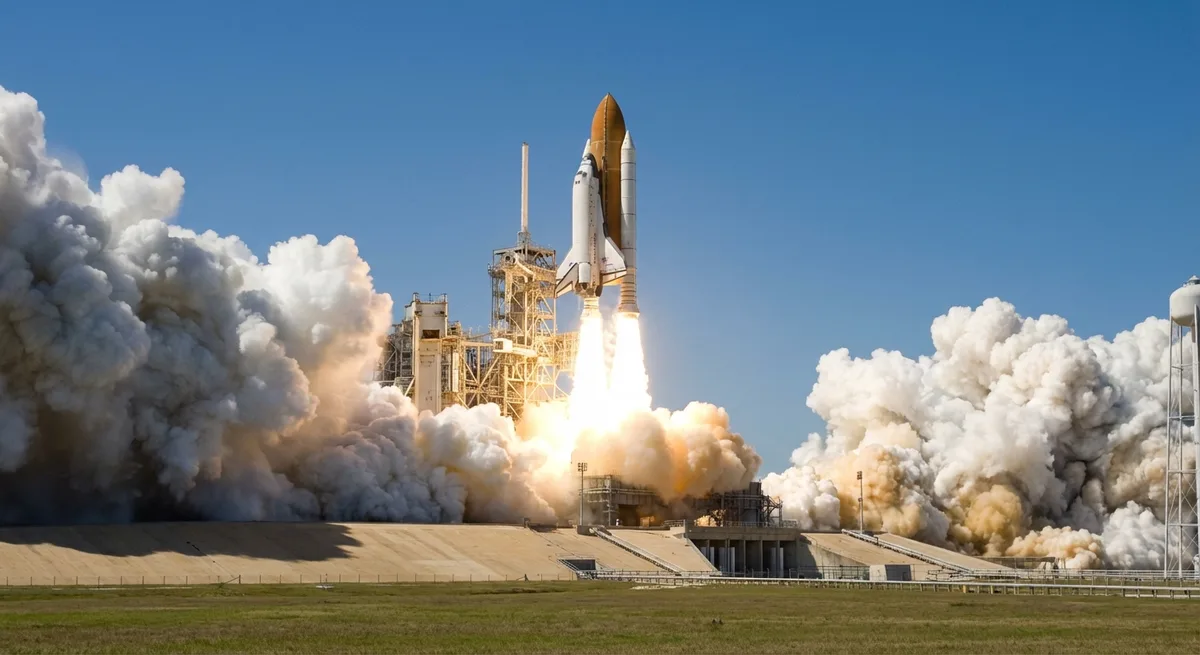
Source: Space Coast Daily