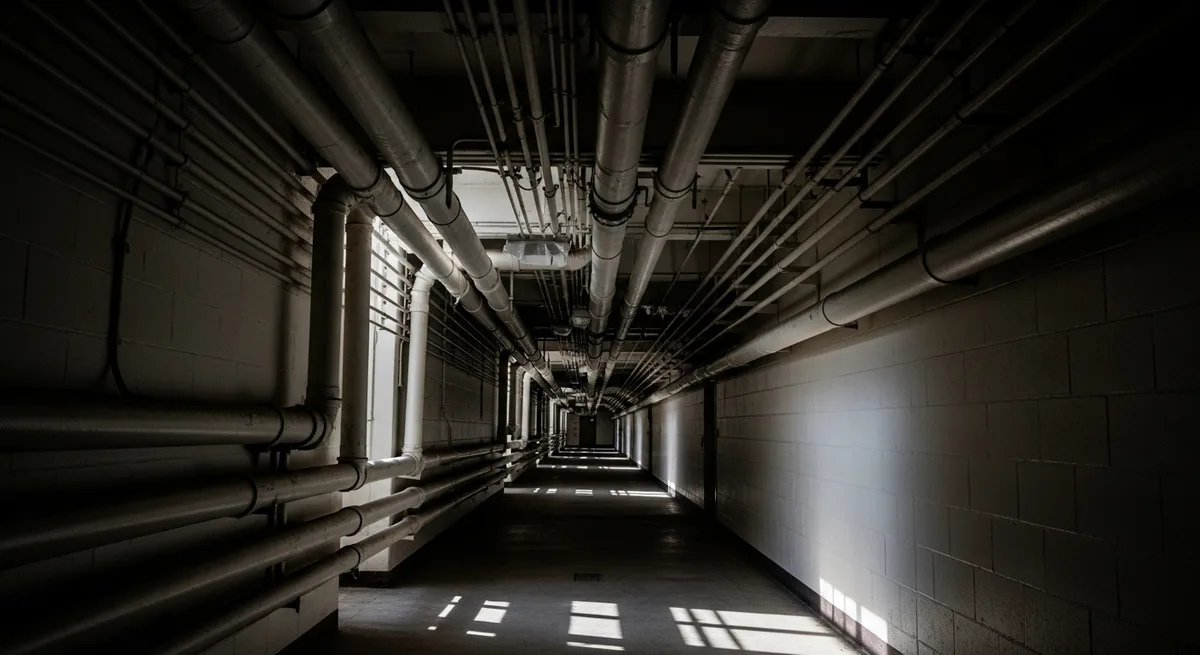
Florida Senator Ashley Moody announced the Space Ready 2.0 Act on July 7 at the Kennedy Space Center Visitor Complex to address infrastructure challenges at NASA's Cape Canaveral facility. The bill would let NASA accept private donations to upgrade aging systems that support the surge in rocket launches. Moody said the current infrastructure, built during the Apollo era, cannot keep up with the 252% increase in launches since 2020.\n\nNASA's Office of Inspector General released a report in June 2026 warning that KSC's facilities from the 1960s are straining under the weight of 109 launches in 2025 alone. The agency estimates it needs over $1 billion for modernization but has received only a fraction of that funding. Moody highlighted that the infrastructure is being used for Artemis moon missions while roads, bridges, and processing systems show their age.\n\nThe Space Ready 2.0 Act is not a funding bill but a pilot program to open new pathways for private contributions. Moody called it a necessary step to avoid delays in launches and ensure safety. "You cannot increase capacity of launches at that fast a rate without going back and examining how we’re going to maintain this on old infrastructure," she said.\n\nKennedy Space Center's infrastructure includes systems from the 1960s, originally built for Apollo missions. The number of launches from the Cape has grown from 31 in 2020 to 109 in 2025, stressing roads, utilities, and processing facilities. The bill aims to create a framework for partnerships with commercial entities to share the burden of upgrades.\n\nMoody emphasized that the pilot program would test whether private contributions can help NASA meet its modernization goals without relying solely on federal funds. The senator plans to work with industry leaders and lawmakers to refine the proposal before seeking broader support.\n\nThe Space Ready 2.0 Act comes as NASA faces pressure to maintain its launch schedule while balancing limited resources. If passed, the bill could set a precedent for public-private collaboration in space infrastructure projects.
Space & Tech
Senator proposes 'Space Ready 2.0 Act' to address aging KSC infrastructure
Florida Senator Ashley Moody introduced the Space Ready 2.0 Act to allow NASA to accept private contributions for modernizing Kennedy Space Center's aging infrastructure.
Source: Florida Today