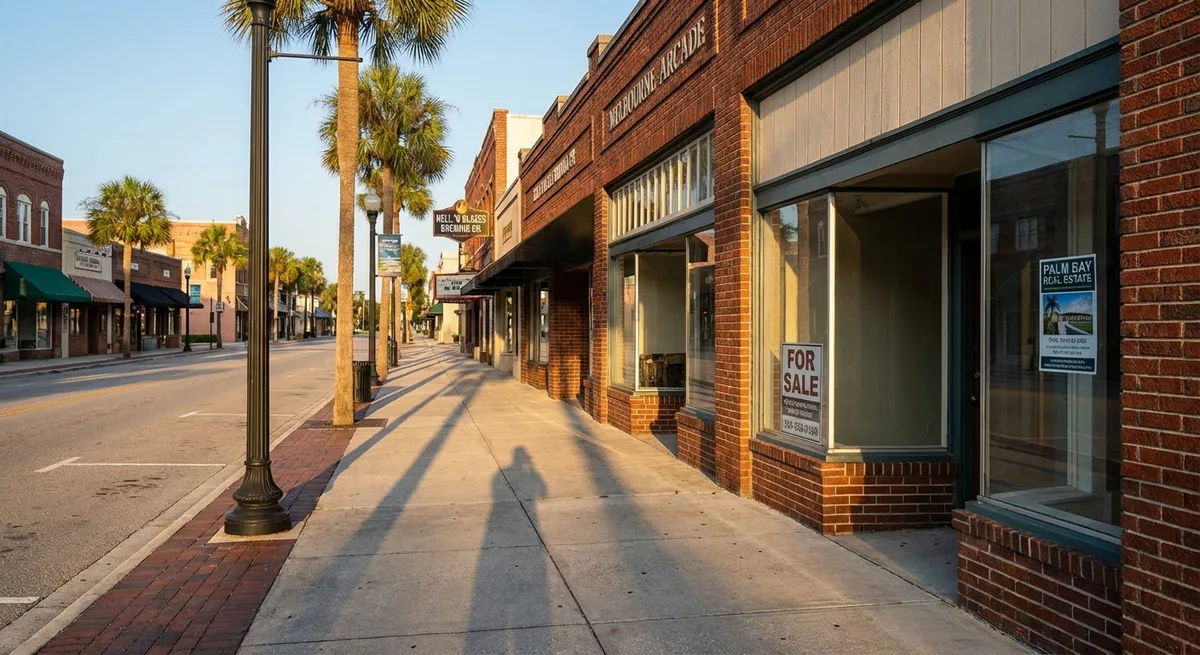
As of February 2026, there are 5,554 homes actively listed for sale in Palm Bay, a number that reflects a steady but limited inventory in the area. Redfin Real Estate reported that the metro area had 4,329 total inventory units and 1,229 new listings added during the month. The months of supply metric stands at 4.9, meaning buyers could expect to wait nearly five months to find a home if demand remained constant. This data comes as part of a broader national trend where housing supply has fluctuated since the pandemic, with some regions seeing increased availability and others struggling with shortages.
The local market shows signs of balancing out after years of tight supply. In February, Palm Bay’s inventory was 4,329 units, a figure that includes both single-family homes and condos. New listings in the area totaled 1,229, a slight increase from prior months but still below pre-pandemic levels. The months of supply metric, which measures how long it would take to sell all current listings at the current pace of sales, indicates a moderate but not overwhelming inventory. This contrasts with the national average of 3.8 months of supply, suggesting Palm Bay remains somewhat more competitive for buyers than other parts of the country.
Redfin’s analysis highlights that the post-pandemic housing boom—driven by low mortgage rates and increased demand—has left many areas with limited inventory. However, Palm Bay’s 4.9 months of supply suggests a more stable market compared to regions in the Midwest and Northeast, where listings are scarcer. The data also shows that nationwide, there are 1,673,546 active listings, with 459,302 new listings added in February. This reflects a broader shift in housing supply as construction activity has picked up in some Sun Belt cities.
Local real estate agents note that while Palm Bay’s inventory is growing, affordability remains a challenge. The average price of homes in the area has risen steadily over the past five years, making it difficult for first-time buyers to enter the market. Despite the increase in listings, many homes are still selling quickly, particularly in desirable neighborhoods. The data underscores the ongoing tension between supply and demand in Brevard County’s housing market, a situation that is likely to persist as the region continues to attract new residents and businesses.