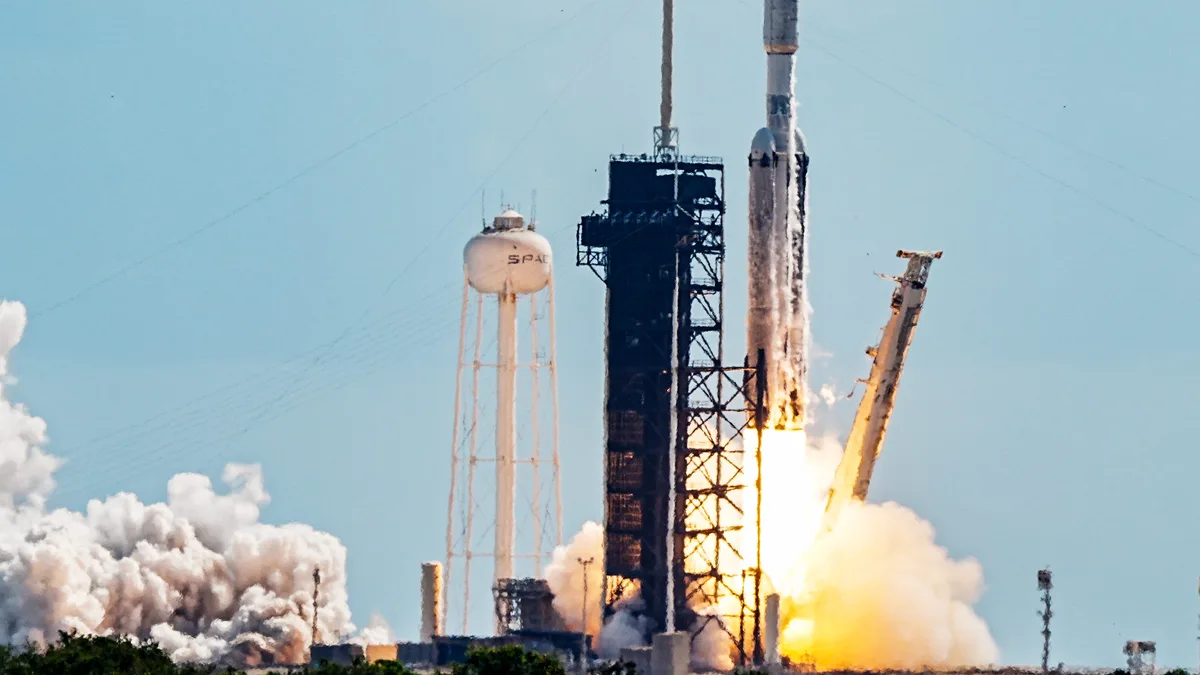
A Rollins College study measured sound and vibration from 34 rocket launches and landings within Cape Canaveral city limits. The research found that while decibel levels are not extreme, low-frequency sound energy causes noticeable rumbling and rattling. Whitney Coyle, who chairs the Rollins College physics department, explained that the study aimed to establish an independent baseline of data for Cape Canaveral City Hall officials as larger rockets, such as SpaceX's Starship, begin operations. The study found that the loudest acoustic peak came from a sonic boom produced by a SpaceX Falcon Heavy booster landing. The report also noted that large sliding-glass doors rattled more than smaller windowpanes during launches. The study did not assess building safety or health impacts from sound or vibration levels. SpaceX is preparing for the 14th test flight of the Starship rocket, with infrastructure being built at Launch Complex 37 and pad 39A to support future launches. An Air Force environmental impact statement predicted that nighttime sonic booms from Launch Complex 37 missions may wake up an average of 54% of sleeping people.
Space & Tech
cape canaveral study shows launches feel louder than decibel readings show
A Rollins College study found that rocket launches near Cape Canaveral feel louder to residents than decibel readings suggest due to low-frequency sound energy.
Source: Florida Today