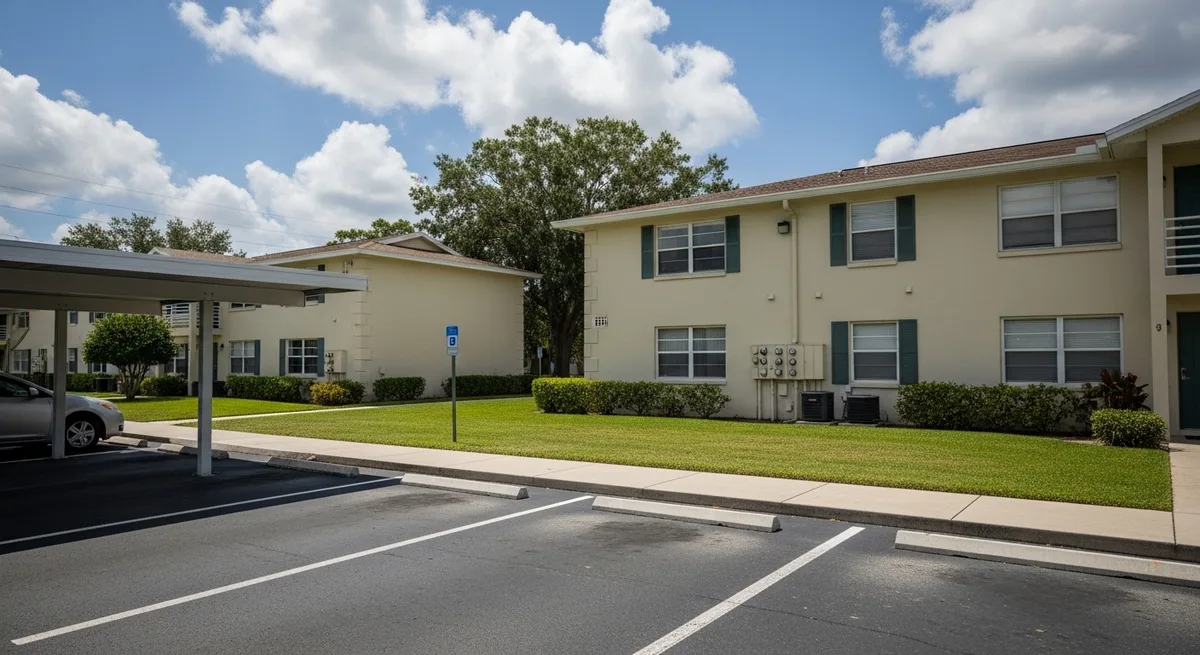
As of 2025, Brevard County had 5,700 subsidized housing units, according to data from the U.S. Department of Housing and Urban Development (HUD). Of those, 739 units were unoccupied and available for rent, representing 13% of the total. These units are part of programs established under the 1937 U.S. Housing Act, which created the United States Housing Authority to assist low-income residents. HUD continues to oversee these programs, which include public housing, tenant-based vouchers, and project-based housing.
The availability of subsidized housing varies across Brevard County, influenced by local policies, geography, and demand. In 2025, the county provided 86 subsidized housing units per 10,000 residents, a metric that reflects both population density and housing needs. Local public housing authorities (PHAs) manage these units, but gaps between supply and demand persist. The 13% vacancy rate highlights the ongoing challenge of matching available units with eligible tenants.
Subsidized housing in the county includes high-rise buildings, garden-style apartments, and single-family homes. The most common form of assistance is the Housing Choice Voucher program, which allows low-income renters to choose private landlords. However, the number of vouchers often lags behind the number of eligible applicants. In 2025, HUD reported that 5,690 units existed in the county, with 739 available for rent, but the exact number of families on waiting lists was not disclosed.
Residents and advocates say the need for subsidized housing remains urgent, particularly in areas with high costs of living. While HUD data shows progress in expanding units since the 1930s, local officials stress that more investment is needed to address shortages. The next annual update from HUD is expected in 2026, which may provide further clarity on trends and gaps.